The safari industry in South Africa’s Eastern Cape has become a significant contributor to the local economy and a key player in the global ecotourism sector. This region offers a distinctive safari experience, with diverse landscapes, rich wildlife, and a strong focus on conservation. Below are key features of the safari industry in the Eastern Cape:
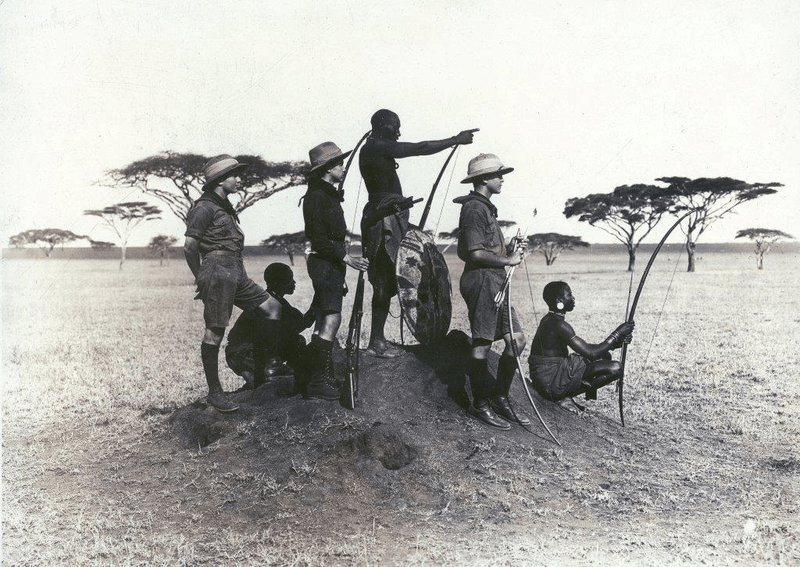
1. Wildlife Reserves and National Parks
- Addo Elephant National Park: The region’s most famous reserve, known for its large elephant population and the chance to see the “Big Five” (elephant, lion, rhino, buffalo, and leopard). It also offers a unique combination of marine and land-based wildlife.
- Shamwari Private Game Reserve: One of the most well-known private reserves in the area, focusing on luxury safari experiences and conservation efforts.
- Amakhala Game Reserve: A smaller but popular reserve offering diverse wildlife and a variety of accommodation options, from luxury lodges to tented camps.
2. Conservation and Sustainability
- Conservation is a major focus, with many reserves and parks actively involved in protecting endangered species and rehabilitating wildlife.
- The region emphasizes eco-friendly tourism practices, including low-impact infrastructure and community-based conservation initiatives.
3. Variety of Safari Experiences
- Big Five Safaris: The Eastern Cape is one of the few places in South Africa where visitors can see the Big Five, often in malaria-free zones, making it a safer option for families.
- Marine Safaris: The proximity to the Indian Ocean allows for combined marine and land-based safaris, offering whale watching, shark diving, and more.
- Cultural Experiences: Many safari lodges offer insights into the local Xhosa culture, including guided tours of local villages and interaction with local communities.
4. Accessibility and Infrastructure
- The Eastern Cape is more accessible than some other safari regions, with easy access from Port Elizabeth (Gqeberha), which has an international airport.
- Many reserves offer a range of accommodation options, from luxury lodges to more affordable options, catering to different types of travelers.
5. Economic Impact
- The safari industry contributes significantly to local employment, from park rangers to hospitality workers.
- Safari tourism drives investment in local infrastructure and helps fund conservation projects, benefiting the wider community.
The Eastern Cape is becoming increasingly popular as a safari destination due to its diverse offerings and commitment to conservation. Its combination of wildlife, cultural experiences, and sustainable tourism makes it a unique and appealing destination for travelers.
 easterncapesafariandtourism.com